History
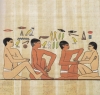
Practised for 5000 years in Egypt, India and China…
Foot reflexology was rediscovered and studied in the United States in the 1910s by Dr Fitzgerald and by Eunice Ingham (1889-1974), an American psychotherapist.
What is it?
Foot reflexology is based on the following principle:
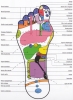
The foot is a miniature representation of the human body: each “reflex zone” corresponds to an organ, a gland or a part of the body.
for adults:
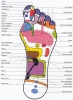
for children:
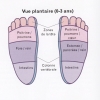
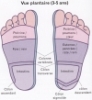
Stimulating these reflex zones makes it possible to act on the whole organism. Vital energy is awakened and can circulate freely.
Reflexology releases the body’s self-healing abilities. It is both preventive and supportive, and is an energetic, holistic massage technique for the body.
How often should you consult?
Ideally, several reflexology sessions are needed for the treatment to be properly integrated.
Depending on the person and their needs, 4 to 8 sessions are usually recommended to start the process.
The body needs a pause between sessions so that elimination and rebalancing reactions can take place and the treatment can be integrated.
Foot reflexology is generally recommended at a pace of one session per week during the first month, then one session per month, except in the case of chronic problems requiring longer-term support.
Benefits and Well-being Effects
We have probably all experienced it: pressing the soles of the feet with the fingertips after a tiring day brings an immediate feeling of well-being.
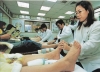
Foot reflexology is a reflex technique that consists of pressing, massaging or tapping different areas of the foot to rebalance the energy of a given organ through the nerve pathways.
Since harmony and health depend on the proper circulation of energy in the body, it is essential, in case of imbalance, to help remove blockages and free the flow of energy. Poor circulation, stagnation or blockage may increase symptoms and lead to further imbalance and organic disorders.
The benefits of foot reflexology include:
- Helping dissolve crystals (uric acid, urates, oxalate, etc.) that hinder energetic circulation
- Helping energy flow through the body
- Helping improve blood, lymphatic and nerve circulation locally and throughout the body
- Helping restore proper organ and glandular function
- Allowing physical and psychological relaxation
- Helping balance the orthosympathetic and parasympathetic systems
Practised regularly, it can:
- Stimulate all physiological functions: digestion, assimilation and elimination
- Strengthen the immune system
It can provide effective support for conditions revealing an internal imbalance:
- stress – migraines – burnout – insomnia (sleep disorders) – anxiety
- back pain – arthritis – chronic pain – sciatica
- tendinitis – bursitis
- sinusitis – allergies – hay fever
- painful periods – hormonal imbalance – menopause
- bloating – heavy legs – blood circulation problems
- restless legs syndrome – RLS or “Willis-Ekbom disease”
- digestive problems, constipation
- etc…
Although foot reflexology can in no way replace allopathic medicine, it is a valuable therapeutic complement, also described as a natural therapeutic technique or gentle therapy.
Elimination and rebalancing reactions may appear as…
Temporary reactions may appear: tiredness, increased urination, emotions, etc. These signs indicate that the body is reacting and eliminating.
During a session, it is rare for people to have strong reactions.
A reflex pain may occur: this can indicate a possible imbalance in the organ corresponding to the reflex zone being massaged.
During a foot reflexology session, the person reaches a state of deep relaxation.
At the end of the session, the person feels a general sense of well-being.
The effects of rebalancing and elimination continue for 2 or 3 days after the session.
These reactions are natural manifestations of most gentle therapies.
Contraindications
Foot reflexology is contraindicated in the following situations:
- the first 3 months of pregnancy
- recent heart problems
- trauma and inflammation of the foot, diabetes
- circulatory problems, including phlebitis and thrombosis